How Winter Storage Affects RV Insurance Coverage
Winter storage RV insurance coverage can change depending on how long your vehicle is stored, where it is kept and what your policy says. Before parking your RV, boat or motorcycle for the season, ask your broker whether coverage continues, narrows or needs an adjustment—and confirm every detail in writing.
Does winter storage affect RV, boat and motorcycle insurance?
Yes, winter storage can affect your insurance, but the effect depends on your policy and the vehicle. Some policies continue with broad protection while a vehicle is stored. Others may treat seasonal storage differently, particularly when the vehicle is not being driven, launched or used.
Your insurer may have specific rules about:
- The dates your vehicle is considered stored
- Whether the vehicle must be kept at a private address, commercial facility or marina
- Which coverages remain active during storage
- Whether comprehensive or specified-perils coverage is available while use-related coverage is reduced
- When you must notify the insurer that the vehicle is back in service
These details can vary between an RV, a boat and a motorcycle. A motorhome may still need protection against fire, theft, vandalism and weather while parked. A boat may have separate requirements when it is stored on land, in a marina or at a storage yard. A motorcycle may be covered differently when it is off the road for several months.
That is why a seasonal assumption is not enough. Do not cancel a policy or remove coverage simply because the vehicle is not being used. The risks do not disappear when the engine is off. Snow, ice, falling branches, theft, fire, rodents and accidental damage can still occur.
What should you ask about winter storage periods?
The phrase “winter storage” may sound straightforward, but it can mean different things in different policies. Before putting your vehicle away, contact your broker and ask clear, practical questions.
Ask when the storage period begins and ends
Does storage start on the date you park the vehicle, or is there a standard seasonal period? When must you tell the insurer that the vehicle is being stored? You should also ask when coverage needs to be updated before you drive, tow or launch it again.
Ask what coverage remains in place
Find out whether your policy continues to cover theft, fire, vandalism, weather damage and other physical loss during storage. Ask whether liability coverage remains active and whether it applies only at certain locations or during certain activities.
Ask whether location matters
Tell your broker where the vehicle will be stored. A locked private garage, driveway, outdoor storage lot and marina may involve different conditions. If you move the vehicle during winter, even temporarily, check whether the new location needs to be reported.
Ask about use during the off-season
If you plan to use the RV for a weekend, work on the boat at a marina or take the motorcycle out on a mild winter day, ask how that affects the storage arrangement. Coverage may depend on whether the vehicle is being operated, transported or simply kept in place.
Ask what happens when storage ends
Before returning the vehicle to the road or water, confirm what must be changed on the policy. Ask whether you need to call before use, provide updated information or arrange a different coverage combination.
If you are unsure which questions apply to your situation, our Personal Insurance team can help you review the conversation you need to have with your insurer.
A simple winter storage checklist
Insurance is only one part of preparing your vehicle. Basic care can help reduce avoidable problems and make the spring start-up easier.
1. Clean and dry the vehicle
Wash away salt, dirt and road grime before storage. For an RV, clean the exterior and inspect the roof, seals and awnings. For a boat, follow the manufacturer’s winterizing instructions and remove moisture where possible. For a motorcycle, clean exposed metal and look for signs of corrosion.
Allow everything to dry before covering it. A cover that traps moisture can contribute to mould, mildew or corrosion. Use a cover that fits the vehicle and is suitable for the storage location.
2. Charge and protect the battery
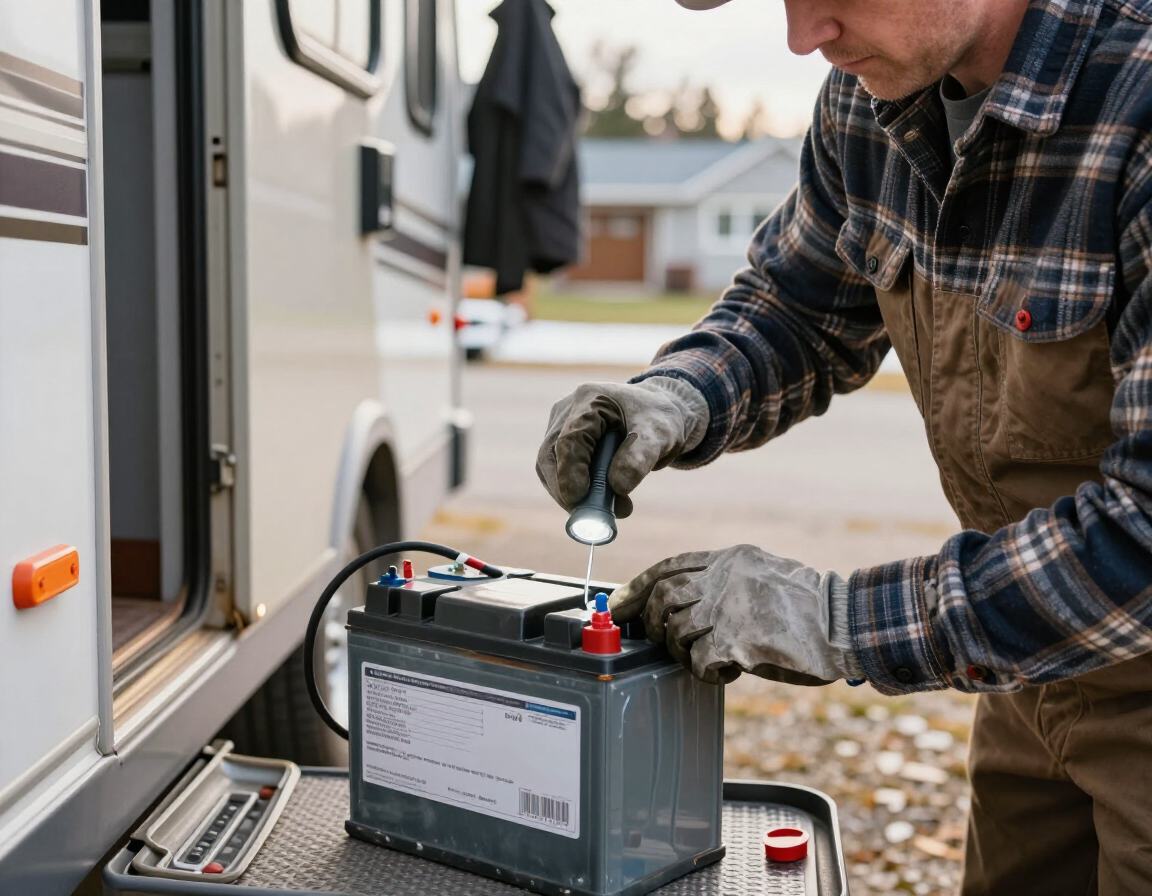
Batteries can lose charge while a vehicle sits unused. Follow the manufacturer’s instructions for disconnecting, removing or maintaining the battery. If you use a charger or maintainer, make sure it is designed for the battery and set up safely.
Check whether your storage facility permits electrical equipment. Never use a damaged cord or leave a charger in an unsafe location.
3. Secure the vehicle and its contents
Lock doors, compartments, hatches and storage areas. Remove valuables, personal documents and anything that could attract attention. Close windows and vents as appropriate, while still following the manufacturer’s guidance for preventing moisture build-up.
Use approved wheel locks, hitch locks or other security devices where suitable. If the vehicle is stored outdoors, check that it is properly supported and protected from wind, snow and falling branches.
4. Check for leaks and pests
Look around the vehicle for water entry, damaged seals or openings where rodents could get in. Do not block ventilation or use pest-control products without checking that they are safe for the vehicle, people and pets.
Take photos before storage. Images of the vehicle’s condition, location and security measures may be useful for your own records. Keep receipts for storage, servicing and repairs with your policy information.
What coverage should you keep during storage?
There is no single answer for every vehicle or policy. The right protection depends on the vehicle’s value, where it is stored, how it is used and the risks you want to manage.
A vehicle that is not being operated may still need protection for physical damage. Consider the risks that could affect it while parked:
- Theft or attempted theft
- Fire or smoke damage
- Wind, hail, snow or falling objects
- Vandalism
- Water damage or freezing conditions
- Damage caused by another vehicle or person
You may also have financing or leasing requirements that affect the coverage you must maintain. If a lender or storage facility has requirements, ask your broker to explain how they fit with your policy.
Be cautious about reducing coverage based only on the fact that the vehicle is off the road. Saving on a premium may not be worthwhile if it leaves a valuable RV, boat or motorcycle exposed to a loss you cannot easily replace.
At the same time, you should not pay for coverage you do not need without discussing your options. An independent broker can help you compare the available choices and explain what changes may be appropriate for the storage period. Learn more about the types of protection available through Companies We Represent .
When should you contact your broker?
The best time is before storage begins. Contact us when you know where the vehicle will be kept, approximately how long it will remain there and whether anyone will access or use it during that period.
Contact your broker again if anything changes, including:
- The storage address
- The expected storage dates
- The vehicle’s use during winter
- A change in ownership, financing or modifications
- Damage, theft or a claim
- The date you plan to return the vehicle to service
Keep your policy documents and broker’s advice together with your storage records. If you receive instructions by phone, make a note of the date, the person you spoke with and what was discussed.
Policies can contain conditions that are easy to miss, so it is important to confirm the details that apply to your vehicle. We can help you identify the information to review, but your insurer’s policy wording is what governs your coverage.
Winter storage takeaways
Winter storage can change how your RV, boat or motorcycle is insured, but the answer is specific to your policy, vehicle and storage arrangements. Before you put anything away, ask what coverage continues, whether storage dates or location must be reported and what needs to happen before the vehicle is used again. Clean and dry the vehicle, maintain the battery and secure the vehicle and its contents. Most importantly, confirm the details rather than relying on general advice. Rideau Insurance has helped families and individuals with insurance in Westport and surrounding communities since 1967. Call us at 613-273-2075 or visit our Contact page to discuss your winter storage plans.
Recent Posts