7 Cottage Insurance Checks Before Closing
Buying a cottage on the Rideau means looking beyond the building itself. Cottage insurance should account for water access, seasonal use, older wiring and roofing, septic systems, emergency response, and nearby fire protection. Start the insurance conversation before closing so you can confirm the property is insurable and budget for the right coverage.
Why arrange cottage insurance before closing?
A cottage is rarely identical to a year-round urban home. It may be several kilometres from the nearest fire station, use a private septic system, sit beside open water, or remain unoccupied for stretches of the year. Each detail can affect the coverage available, the conditions attached to the policy, and the information your broker needs.
Getting a quote early gives you time to:
- Confirm that the property fits an insurer’s eligibility guidelines.
- Understand what is covered, excluded, or subject to special conditions.
- Identify repairs or documentation that may be needed before coverage begins.
- Include insurance in your closing-cost planning.
- Avoid a last-minute scramble between accepting the offer and closing day.
Our Personal Insurance team can help you work through the questions in plain language. As a family-run Westport broker serving the area since 1967, we understand that every cottage property has its own story.
What should you ask about water access?
“Waterfront” can mean several different things. A cottage may have direct frontage, shared access, a right-of-way to the lake, a nearby public launch, or no practical water access at all. Tell your broker exactly how the property relates to the water.
Ask these questions:
- Is the cottage directly on the water, and how far is the building from the shoreline?
- Is there a dock, boathouse, beach, retaining wall, or other shoreline structure?
- Are boats, canoes, kayaks, motors, or water toys part of the property?
- Is the water access shared, seasonal, or reached through a private road?
- Could flooding, ice, wind, or changing water levels affect the buildings or equipment?
A standard home policy may not automatically address every waterfront feature or recreational item in the same way. Structures such as docks and boathouses may have different conditions or limits. Your broker can help separate the cottage, detached structures, personal property, and watercraft so you know what is actually insured.
Do not wait until after closing to mention an unusual shoreline feature. Photos, a property description, and details from the listing or inspection report can help your broker ask the right questions.
How do the roof and wiring affect cottage insurance?
The age and condition of the cottage matter. Older roofs, outdated electrical systems, wood stoves, do-it-yourself renovations, and temporary repairs can all prompt additional underwriting questions. These questions are not meant to complicate the purchase; they help ensure the policy reflects the real risk.
Before closing, gather what you can about:
- The roof’s age, material, condition, and most recent replacement.
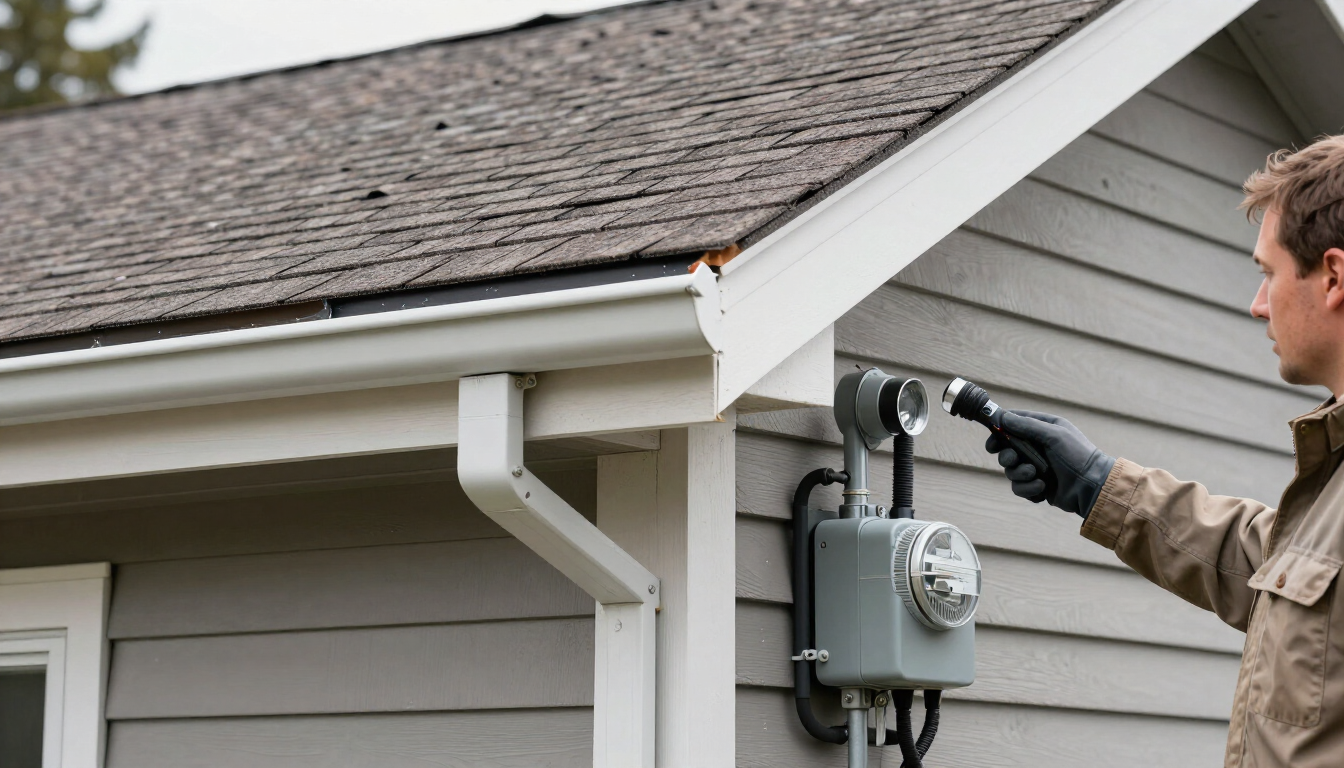
- The age and type of electrical wiring and the location of the electrical panel.
- Fuse panels, knob-and-tube wiring, ungrounded outlets, or other older features.
- Heating systems, fireplaces, chimneys, wood stoves, and fuel tanks.
- Plumbing updates, insulation, renovations, and additions.
Your home inspection report may contain useful information, but it is not always a substitute for invoices, permits, or an electrician’s assessment. If the inspector raises concerns, ask what should be addressed before or shortly after closing and share the relevant details with your broker.
Be especially careful about describing renovations accurately. A finished loft, converted garage, screened porch, or added bathroom can change the replacement needs of the property. It is better to discuss an improvement early than discover later that the home’s details were incomplete.
What should you know about a private septic system?
Many Rideau-area cottages rely on septic systems rather than municipal sewer service. Septic coverage and service responsibilities can vary, so ask questions before you make assumptions about what a policy includes.
Find out:
- Where the tank and leaching bed are located.
- When the system was installed, inspected, pumped, or repaired.
- Whether the system serves only the cottage or other buildings as well.
- Whether there are known odours, drainage concerns, alarms, or slow fixtures.
- What responsibilities you have for maintenance and inspections.
A septic problem may involve gradual deterioration, maintenance, ground conditions, or sudden damage, and those circumstances can be treated differently. Your broker can explain the policy wording and whether optional coverage may be available. Keep inspection reports, maintenance records, and receipts with your closing documents.
If you are buying a property with an older or unfamiliar system, consider making the condition of the septic system part of your due diligence. A quote is much more useful when it is based on clear, current information.
How far is the cottage from fire protection?
Distance and access matter when a property is outside a town centre. Insurers may want to know how far the cottage is from a responding fire station, whether the road is accessible year-round, and whether there is a reliable water source nearby.
Ask the seller, inspector, municipality, or local fire service about:
- The nearest fire station and approximate response access.
- The condition and seasonal availability of the road.
- Driveway width, turning space, bridges, gates, and steep grades.
- Hydrants, dry hydrants, lakes, or other water sources used for firefighting.
- Whether emergency vehicles can reach the cottage in winter.
A long or difficult route does not automatically mean you cannot obtain insurance. It does mean the details should be discussed early. Some insurers may request specific information about access, heating, alarms, or water sources before offering terms.
Also consider how the cottage is left when no one is there. A monitored alarm, reliable smoke and carbon monoxide detectors, automatic shut-off systems, and regular visits may support your risk-management plan. Follow the policy’s vacancy or unoccupancy requirements carefully, particularly during colder months.
What information does a cottage insurance quote require?
The best quote is based on the property you are actually buying, not a guess based only on the purchase price. Replacement cost, location, construction, services, occupancy, and outbuildings can all be relevant.
Prepare the following details where possible:
- The property address and possession date.
- How often the cottage will be occupied and who will use it.
- Construction type, square footage, number of storeys, and year built.
- Roof, wiring, plumbing, heating, septic, and water details.
- Detached buildings, docks, boats, trailers, recreational equipment, and valuable contents.
- Any prior claims, renovations, wood-burning appliances, or short-term rental plans.
If the cottage is a seasonal property, say so. If you plan to rent it occasionally, host guests, run a business, or leave it vacant for extended periods, mention that before the quote is prepared. Different uses can require different advice or coverage.
You can also review our Companies We Represent page to learn more about the range of insurers available through an independent broker. Our role is to compare suitable options and help you understand the trade-offs, rather than push you towards a single answer.
A practical closing checklist
Use this short checklist during your offer and inspection period:
- Ask for the roof, wiring, plumbing, heating, and septic history.
- Confirm water access, shoreline structures, docks, and watercraft.
- Check road, driveway, winter access, and fire-protection details.
- Tell your broker about renovations, outbuildings, vacancy, and rentals.
- Request and review a cottage insurance quote before your deal closes.
Keep copies of inspection reports, seller disclosures, maintenance records, receipts, and photographs. They can make conversations with your broker more efficient and give you a useful record of the property’s condition at purchase.
When should you contact a broker?
Ideally, contact us as soon as you have a property address and an accepted offer, or earlier if you are comparing cottages. We can tell you what information is needed, identify potential questions, and help you avoid discovering an insurance issue just before closing.
No two Rideau cottages are exactly alike. A modest building with straightforward access may have different needs from a large waterfront property with older services, several outbuildings, and seasonal occupancy. The right approach is to review the whole property—not just the cottage’s purchase price.
Take the next step before closing
Cottage insurance is easiest to arrange when you start early and share the full picture: water access, roof and wiring age, septic details, fire-protection distance, occupancy, and any extra structures or equipment. Use the checklist during your inspection and ask for a quote before the deal becomes urgent. If you are buying on the Rideau and want a plain-spoken review of your options, call Rideau Insurance at 613-273-2075 or visit our Contact page. We are here to help you move towards closing with fewer surprises.
Recent Posts