How to Choose Cottage Rental Insurance
Renting out your cottage can change how your insurance applies. Cottage rental insurance may involve different coverage, conditions, exclusions and premiums than occasional personal use. Before welcoming guests, tell your broker how often you rent, how you advertise and what services you provide so your policy matches the actual risk.
Why can renting out a cottage affect insurance?
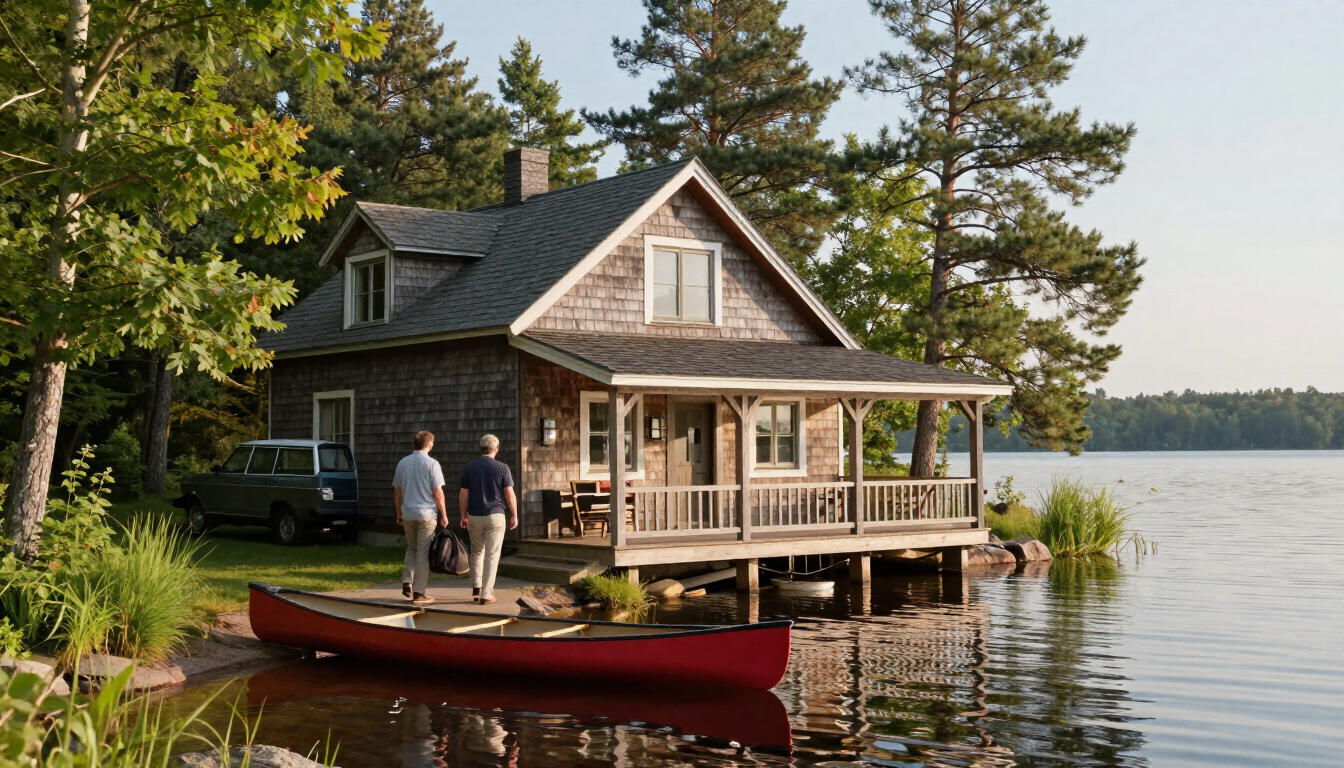
A cottage used only by your family presents a different risk from one occupied by paying guests. When you rent it—even for a few weeks a year—the property may be treated differently by an insurer.
Guests may not know the property as well as you do. They could accidentally damage the building, start a fire, leave taps running or injure themselves on the premises. There may also be more frequent check-ins, cleanings, maintenance visits and turnover between occupants.
Your insurer needs to understand those circumstances. A standard seasonal or recreational property policy may not automatically provide the protection you expect when money is changing hands.
That does not necessarily mean you cannot rent your cottage. It means the arrangement should be discussed before you list it or accept a booking. The right solution depends on the property, how it is used, the length and frequency of rentals, and the insurer’s rules.
What should you tell your insurance broker?
Be open and specific. “We sometimes have guests” can mean very different things from a regular short-term rental operation. Share details such as:
- How often you rent the cottage and for how long
- Whether guests stay for weekends, weeks or longer periods
- How you find guests, such as through a platform, referral or private agreement
- The number of people you permit to stay
- Whether you allow pets, fires, boats, trailers or other higher-risk activities
- Whether anyone helps manage, clean or maintain the property
Tell your broker if the cottage is advertised online, even if bookings are occasional. It is also important to mention changes after your policy is arranged. A new rental platform, a hot tub, a dock, an outbuilding or a change in occupancy can all be relevant to the conversation.
Our role as a broker is to ask practical questions, explain what may need attention and help you speak with an insurer about suitable options. You can learn more about the types of protection we discuss on our Personal Insurance page.
Does cottage rental insurance cost more?
It may. Renting to guests can increase the risk an insurer is being asked to cover, and that can affect the premium, deductible or available terms. However, there is no single price that applies to every cottage rental.
The cost and availability of coverage can depend on factors including:
- The building’s location and construction
- How often the cottage is occupied by guests
- The number of beds and amenities
- The presence of waterfront features, wood stoves, pools or hot tubs
- Your claims history and existing insurance arrangements
- The insurer’s appetite for short-term or seasonal rentals
Avoid choosing a policy based only on the lowest quoted premium. A cheaper arrangement may not respond as you assume, particularly if the rental use was not disclosed or a policy condition is not met. The most useful comparison is between policies that are designed for the same use.

What questions should you ask before listing your cottage?
Before publishing an advertisement, ask your broker to walk through the arrangement with you. Useful questions include:
- Does my current policy permit paid guests?
- Do I need a different policy, an endorsement or a separate arrangement?
- Are short-term rentals treated differently from longer stays?
- What liability protection applies if a guest is injured?
- Are guest belongings covered, or should guests arrange their own insurance?
- Are damage caused by guests, theft and vandalism covered, and under what conditions?
- Are the dock, boat, wood stove, hot tub, outbuildings and other amenities insured?
- Are there occupancy limits or safety requirements I must follow?
- What records, inspections or maintenance routines should I keep?
- What happens if I make a claim after a guest has stayed at the cottage?
Your broker can also explain what is not covered. Exclusions and conditions matter just as much as the list of insured events. Ask for plain-language explanations and take notes so you know what you are agreeing to.
What can you do before guests arrive?
Insurance is one part of preparing a cottage for visitors. Good housekeeping and clear communication can help reduce avoidable problems, although they do not replace appropriate coverage.
Create a practical guest plan
Write down basic instructions for heating, water, fireplaces, appliances, garbage, septic systems and emergency contacts. Explain which areas or equipment are off limits. If the property has a dock, stairs, trails or waterfront access, make the expectations easy to understand.
Keep the property maintained
Arrange regular checks between bookings. Look for leaks, damaged railings, loose steps, faulty smoke alarms and other issues. Keep records of maintenance and repairs. If someone else looks after the property, clarify their responsibilities and tell your broker if the arrangement changes.
Review the booking arrangement
Consider how guests pay, cancel and report damage. Read the terms of any booking platform you use, but do not assume its protection replaces your own insurance. Platform guarantees, host protections and insurance policies can have different terms, limits and exclusions.
Confirm safety measures
Use working smoke and carbon monoxide alarms where appropriate, provide safe access and follow applicable local requirements. This article is general information, not legal advice. For questions about local rules, permits, taxes or agreements, speak with the appropriate professional.
What if you already rent your cottage?
Do not panic, but do not delay the conversation. Contact your broker and explain the use honestly, including any past or upcoming bookings. Your broker can help determine whether your current policy is suitable, whether changes are needed and what information the insurer requires.
Keep copies of advertisements, booking details, guest instructions, inspection notes and maintenance records. These documents can help you describe the arrangement accurately. They may also make it easier to answer questions if an incident occurs.
If you have recently added a rental activity, changed the property or begun using a new platform, mention that specifically. Never assume that an old policy continues to fit a new use without checking.
A simple cottage rental insurance checklist
Before accepting guests, make sure you have:
- Told your broker that the cottage will be rented
- Explained the frequency, length and type of stays
- Asked how liability, guest damage and personal property are treated
- Reviewed exclusions, conditions, deductibles and limits
- Checked whether amenities and outbuildings are included
- Confirmed any required safety, maintenance or occupancy measures
- Saved your broker’s contact information for questions or changes
The bottom line for cottage owners
Renting your cottage can be a practical way to help offset ownership costs, but it changes the conversation about insurance. Cottage rental insurance should reflect how guests actually use the property—not simply how you use it when visiting yourself. Tell your broker before listing, ask what is covered and excluded, and review the arrangement whenever your rental plans change. If you own a cottage in the Westport area and want plain-spoken guidance, call Rideau Insurance at 613-273-2075 . We have been helping families since 1967 and would be glad to discuss your next step.
For more background about our family-run brokerage, visit About Us or Contact Us .
Recent Posts